Perfect Wedding Guide
Wedding Planning Wiz provides free information necessary for wedding preparation to establish a thrifty and healthy wedding culture, encourage transparent and correct consumer culture forms, and protect and improve consumer rights of prospective brides and brides.
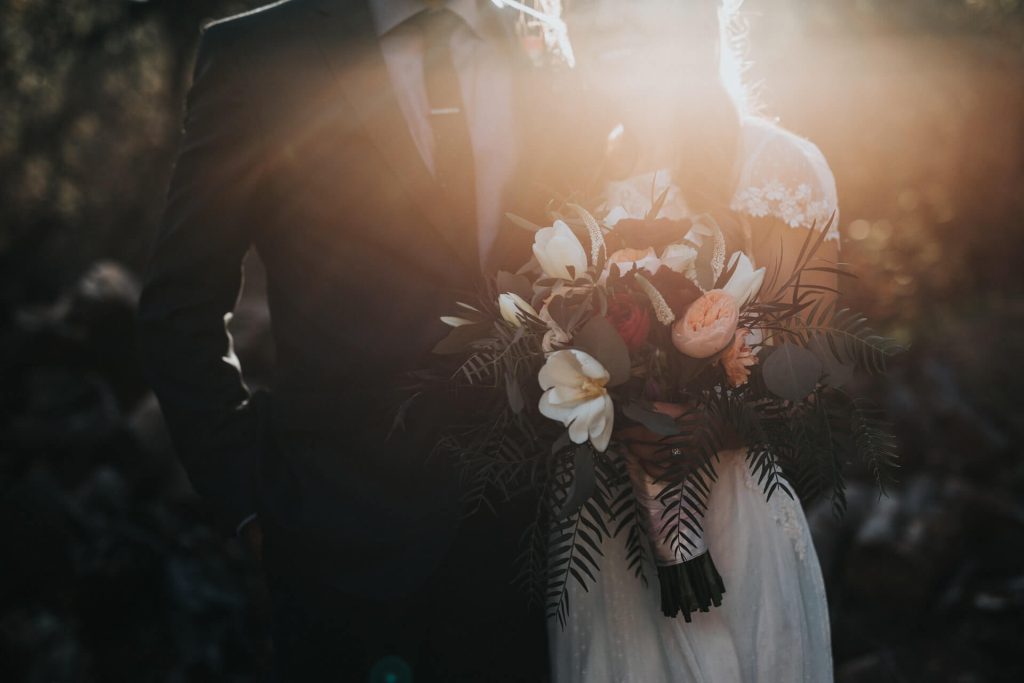
Know when choosing a wedding hall
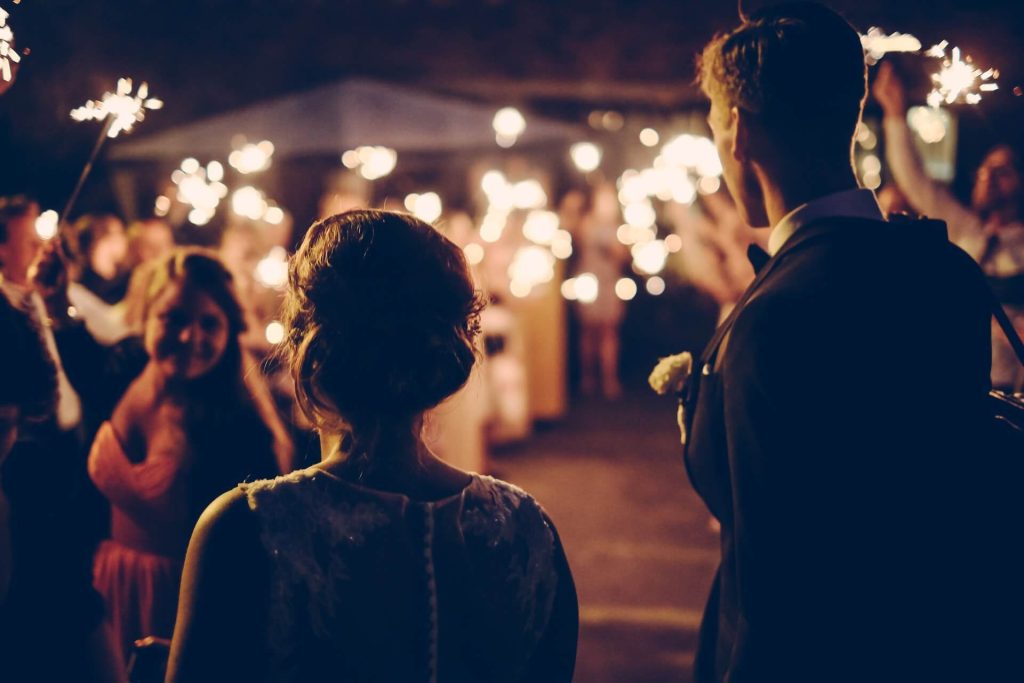
Step 01. Decide the wedding day and the desired time zone
Usually, weekends, holidays, and time zones are royal hours from 1 to 3, but mandatory requirements at wedding halls can be added.
Step 02. Decide the form of the wedding
The budget is determined by what type of ceremony is held. It can be largely divided into hotel ceremonies, general ceremonies, outdoor ceremonies, restaurant Japanese meals, and unique event ceremonies.
Step 03. Predict the number of guests
Be sure to check because the benefits and costs vary depending on the number of guests, so make sure to check.
Step 04. Consider the location and transportation of the wedding hall
First of all, public transportation is convenient and it is necessary to select a place that is not too crowded even if you move by car. The middle area of both houses is good, but it is better to choose a place with convenient connection of public transportation in consideration of the number of guests or local guests. It will also check the size of parking facilities, parking fees, and shuttle bus operations.
Step 05. Check the type and taste of food
It is no exaggeration to say that the success of the wedding depends on the guest’s meal. Recently, most of the Galbitang set meals and buffets are served, but it is recommended to decide the menu in consideration of the venue of the ceremony, the atmosphere of the reception, the taste of guests, and the climate conditions of the wedding day.
Step 06. If you have a favorite wedding hall, visit and check the atmosphere of the ceremony
Go to the site and learn the atmosphere, and check the status of staff services, events, and production status with waiting rooms such as wedding time, number of wedding halls, hall atmosphere, interior, lighting, podium, congratulatory money reception, lobby, etc. What is lacking and what is to be requested is specified in the contract, and the bride knows what to prepare.
Step 07. When you sign a contract for a wedding hall, you should know the details of the contract accurately
All services and benefits should be requested in writing. And if the number of guests is expected to exceed 300, remove the compulsory use of the accessory product, and then get a discount on the fee for using the ceremony.
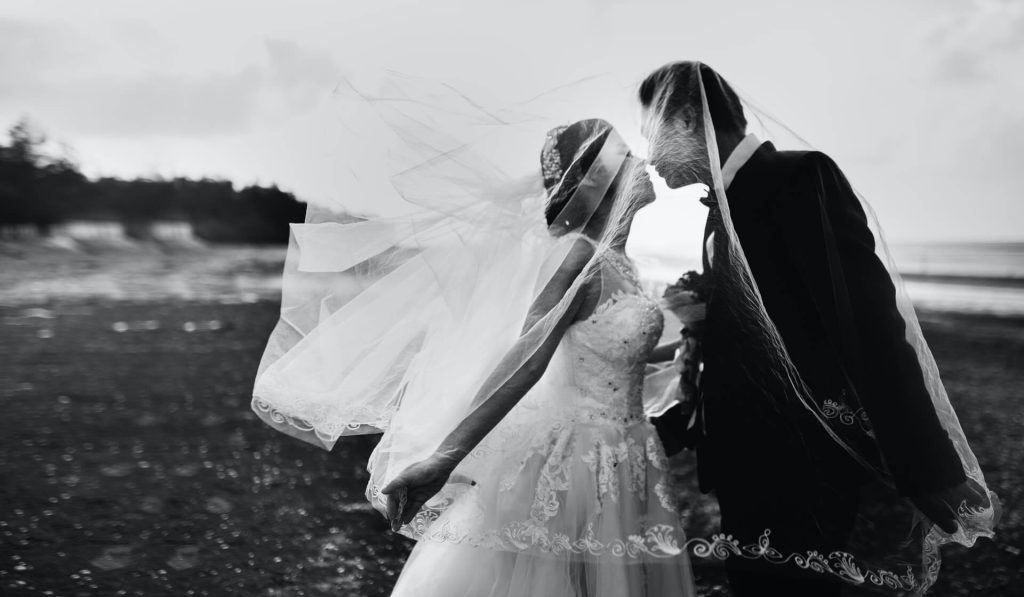
Guide to make wedding photos
Step 01. Choose a studio that fits your personality and taste
Photographs using various techniques such as character-centered deep and static, landscape-oriented colorful and bright, modern and sophisticated black and white tones, cute and romantic, and photography create an atmosphere according to editing and photography. Let’s choose a studio that suits the style or taste of the bride and groom.
Step 02. Check the wedding album sample carefully
If you visit the studio, you can see the sample album. Check the atmosphere of the sample album carefully to see if there is a picture of the style you want. Most studios conduct outdoor and indoor filming, so you can look around the interior of the indoor filming set and check where the outdoor filming location is. It also checks the size and shape of the album and frame. If you check in advance what kind of pose to do on which set, you can play a dim game on the day of filming.
Step 03. Make the best condition
The album photos are modified to a certain extent to make them look the most beautiful, but more important than this is to take them in the best condition. Smooth skin is an important factor in making good pictures, so it is recommended not to drink water before going to bed, and it is essential to give your skin a break through sleeping for about seven hours. It is effective to get skin care two to three days before the shoot, and if the groom trims his hair about a week before the shoot, a natural picture will come out, so let’s pay attention in advance.
Step 04. Practice your expression constantly
Unless you are a professional model, you can’t help but feel awkward with your expression. If you are not confident in your expression, practice your natural expression while looking in the mirror. There is a side of the face that looks good on both sides, so it is better to check it and take a picture with a point in that direction when taking a picture.
Step 05. Take a picture confidently.
Confidence determines the overall mood of the picture. If you work with active confidence, the photos will come out bright and bright. Even if it’s awkward and uncomfortable, let’s not forget that once your expression follows you for life.
Step 06. Trust the photographer
When filming begins, it is necessary to open up and entrust the photographer. Considering the body type and appearance of the bride and groom, photographers can take high-quality photos by matching the pose and expression they want as much as possible.
How to choose a wedding dress
Step 01. Take enough time to find out in detail in advance
It’s better to look at a lot of dresses and find out the exact information before deciding on a dress two months before the ceremony.
Step 02. Make a reservation at the wedding shop in advance and visit in your free time
Avoid weekends and make reservations in advance during free time on weekdays, which is advantageous because experts pay attention to counseling. Ask many questions and try on two or three dresses. Also, wear a bra and waist nipper without shoulder straps if possible.
Step 03. Compare price and dress carefully and check
Carefully compare what is included in the price and whether there is a difference between shops and check the dress. It is also recommended to stop by within the budget you can use.
Step 04. How to Reduce Costs
If you use a hair salon or photo shop linked to a wedding shop, you can get a better service at a cheaper price than going anywhere.
Step 05. Understand yourself
Consider taste, body type, height or age difference with the groom. Rather than copying others, it is better to choose a dress that can cover your flaws and maximize your strengths by looking at how you wear it.
Step 06. Select material and design according to season and place
In spring and summer, it creates a bright atmosphere with fresh and light materials, and in autumn and winter, it is decided by selecting luxurious materials and designs with warm feelings, and considering the lighting, size, and interior of the wedding venue.
Step 07. Accessories that go well with the dress
If you only care about wedding dresses, you miss many things. To complete the perfect look with the dress, you should check the necklace, earrings, hair accessories, and veil that match the dress.
Step 08. Let’s look at the fit
It’s better to move while wearing a dress and tell me what doesn’t fit your body when you pack it.
Step 09. Think of yourself as the best on your wedding day.
Let’s not regret looking at the new dress from the dress selection to the wedding. Let’s keep in mind that the dress I chose is the prettiest and most fitting one.

Things to consider when choosing a honeymoon destination
“
We’ve gone over everything you could possibly want
Step 1. Check the travel style and taste of the bride and groom
The most important thing when deciding on a honeymoon destination is the bride and groom’s travel style. It can be largely divided into three types: tourism type, recreation type, tourism + recreation type. Tourism types include Fatima, Australia, and Europe, and recreational types include Guam, Saipan, Phuket, and Bali. Manila, Boracay, and Singapore are representative examples of tourism + recreation. In addition, considering the taste of the bride and groom, the country they want to go and the travel period are determined. If you plan well, it can be a more enjoyable and beneficial trip, so you can compare travel information and products through the Internet and choose the most appropriate travel pattern.
Step 2. Budget and travel agency decision
It is better to set the budget for your honeymoon in advance and choose the appropriate trip. Expenses paid to travel agencies such as aviation, lodging, and tourism should be considered together with expenses spent locally, such as options, food, and gift costs should be considered. In addition, each travel agency has a specialized area, so let’s choose a travel agency with a lot of experience and know-how, and compare the quality and content of accommodation and meals, local tour schedules and options, shopping schedules, guides, flights and stopovers, and minimum number of departures.
Step 3. Check passport and privilege product
If you have completed your honeymoon reservation, you should check your passport. Passports play the same role as identification cards abroad, so you have to check the expiration date and English language accurately. If you have received all the privileges provided by the travel agency after checking your passport, you can prepare while studying about your honeymoon destination.
Step 4. Final inspection of honeymoon
If you have completed your honeymoon reservation, you should check your passport. Passports play the same role as identification cards abroad, so you have to check the expiration date and English language accurately. If you have received all the privileges provided by the travel agency after checking your passport, you can prepare while studying about your honeymoon destination.
Step5. Plan your own schedule in detail
If you think in advance about how to spend your free time alone other than the group activities set by the travel agency, you will be able to make good use of your free time. It also plans to clarify its purpose and schedule a once-in-a-lifetime trip so that it can be memorable.
“
Checklist for gifts
1
Set a budget with your parents
Even if it’s the same type, there are price differences depending on size, quality, and design, so impulse purchases can exceed the budget, so you can conveniently buy what you like if you decide how much you want to spend before what you do.
2
Buy a gift a month before the wedding
Wedding gifts are purchased at different times depending on when the box is accepted. It takes about 7 to 10 days to choose and set the gift, so buy the gift a month before the wedding so that the wedding schedule will not be disrupted in advance.
3
Do we need to use plugins for this page?
According to a survey, the cost of marriage is about 31 million won, and the cost of purchasing gifts is about 10 to 15 percent of the wedding fund. These days, however, newlyweds are spending less money on gifts and spending the rest on weddings and newlyweds.
Checklist for gifts
4
Decide where to buy
Jewelry and precious metals have a large price difference depending on the quality and design. Before deciding where to buy it, visit two to three places that are reliable and have a lot of good quality, and if you like the design and setting according to your budget, it is recommended to carefully review and compare the price range.
5
When you choose jewelry, you can choose the type and design that you want
Since you wear gifts for a long time, you need to choose a simple and sophisticated design without going out of fashion and choose a design that suits your taste and lifestyle to ease the burden of purchasing daily jewelry separately. Check the weight of colored jewelry and get a warranty, and check if the grade, weight, signature, etc. are written when evaluating diamonds. It is also important to check the type of gold and whether it is set a/s.
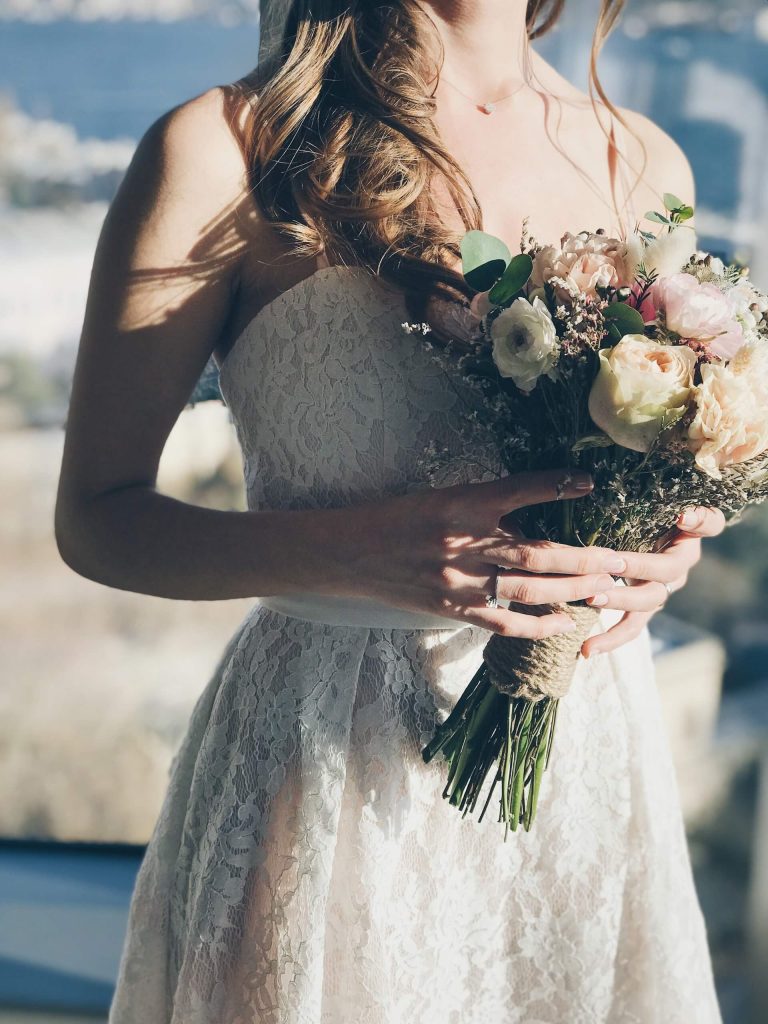
If you want more of our advanced information, you have to pay for PayPal, Bankwire, and Bitcoin. Check out PayPal on the official site, Bankwire on the bank, and cryptocurrency on the link of the button.
12, 236
Active users
13, 024
saved traffic
6,895
daily loading